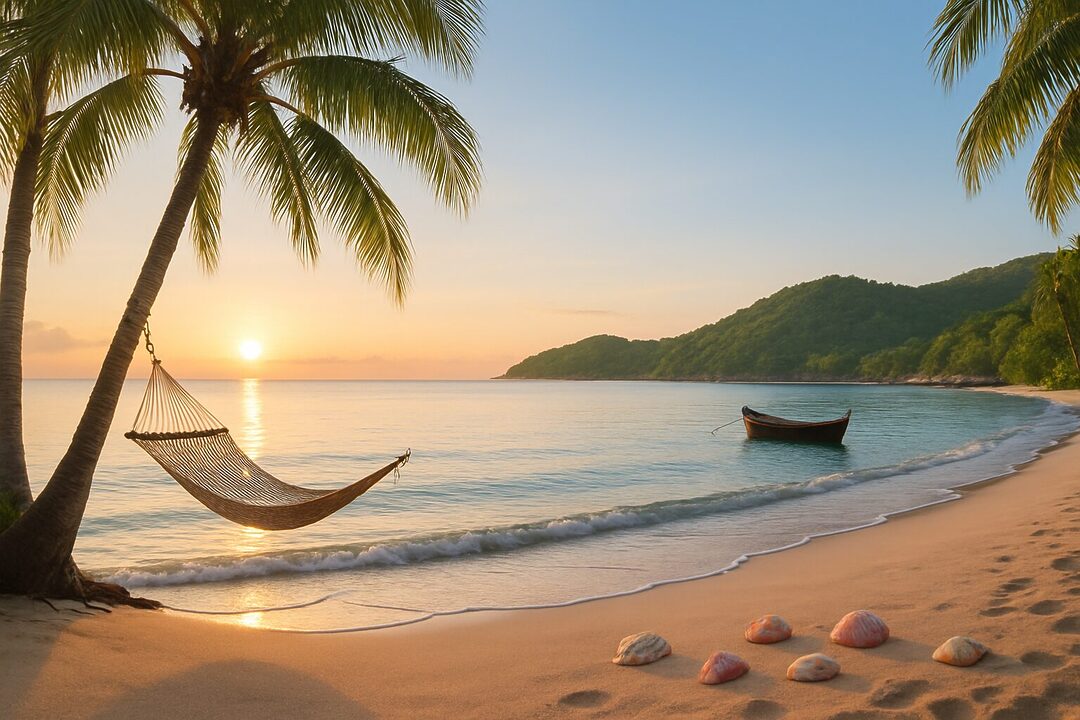
The practice of slow travel invites explorers to move beyond the frantic pace of traditional tourism, delving instead into the rich textures of each destination with a patient, immersive mindset. This approach to wandering encourages a deeper connection to places, cultures, and people, enabling travelers to appreciate the subtle, often overlooked moments that define a journey’s true soul. Slow travel photography emerges as the perfect companion to this philosophy: rather than striving to capture every landmark in hurried shots, it emphasizes molding a visual narrative that honors the quiet rhythms and authentic stories within each locale.
In an era dominated by rapid digital consumption and instant sharing, slowing down to thoughtfully compose images can transform fleeting travel moments into profound, timeless memories. This art form blends deliberate technical choices with an attentive eye for cultural nuances, light, and human interaction, ultimately crafting a rich visual storytelling experience. It empowers travelers to capture not just what a place looks like, but the emotions and atmospheres that make each encounter unique. Through this lens, every frame becomes a chapter in a vivid chronicle of mindful travel and cultural immersion.
Exploring the Concept of Slow Travel Photography: A Visual Narrative of Mindful Journeys
Slow travel photography moves beyond mere snapshots, seeking to encapsulate the essence of a journey by concentrating on storytelling and authentic representation. Unlike conventional travel photography, which often prioritizes popular landmarks and posed images, slow travel photography embraces an observant, less intrusive approach. It aims to capture natural moments of daily life that speak volumes about the local culture and environment.
This approach requires a commitment to patience and presence. Photographers must slow their pace, taking time to observe subtle details, changing lights, and meaningful interactions. These photographic moments offer depth and context, transforming images into visual narratives that resonate emotionally. For instance, capturing a sun-dusted artisan crafting pottery or a child playing beside a centuries-old fountain does more than document a place; it tells a story of heritage, continuity, and lived experience.
In addition, slow travel photography often fuses elements of photojournalism and travel storytelling. It demands an attitude of respect and curiosity, where cultural immersion is prioritized over surface-level snapshots. Recording authentic expressions, textures, and environments requires a sensitive balance of technical skill and human empathy. Photographers should engage thoughtfully with local communities, building trust to capture candid, meaningful moments that avoid the pitfalls of exploitation or exoticism.
- Patience and mindfulness in observing scenes.
- Prioritizing cultural immersion over staged shots.
- Incorporating contextual elements like environment and local crafts.
- Balancing technical proficiency with empathetic storytelling.
The relationship between slow travel and photography presents a unique opportunity to deepen both experiences simultaneously. Those who embrace this ethos often turn to guides such as The Art of Slow Travel which illuminate strategies for savoring each moment fully and reflect that philosophy within photographic practice. The result is a collection of images that convey heartfelt narratives and respect the authenticity of each locale, rather than simply illustrating travel highlights.

Mastering Technical Skills for Capturing Slow Travel Moments with Authenticity
Technical mastery is fundamental in slow travel photography to capture genuine moments and mood with clarity and emotion. Essential techniques focus on composition, use of natural light, and exposure settings that highlight the subtlety of scenes rather than flashy spectacle. Planning shot opportunities while leaving room for spontaneity is key. Understanding and using certain compositional principles can transform everyday scenes into captivating stories.
Strong techniques include:
- Rule of Thirds: Helps balance images by placing the main subject off-center, creating a visually engaging composition.
- Leading Lines: Roads, rivers, or pathways in photos guide viewers’ eyes through the frame, adding depth and context.
- Natural Lighting: Harnessing golden hour and soft diffused light evokes warmth and mood, perfect for storytelling.
- Slow Shutter Speeds: Capturing motion blur can illustrate life’s rhythm and pace in villages or nature scenes.
- Focus on Details: Highlighting small but significant cultural symbols like handmade textiles or local foods adds texture to the journey’s story.
Alongside these techniques, having the appropriate equipment ensures quality images without burdening the traveler. While luxury cameras are not mandatory, reliable gear enhances creativity. For example, versatile lenses like a wide-angle for landscapes and a prime lens for portraits in low light facilitate capturing diverse aspects of the trip.
Considerations for essential gear include:
| Equipment | Purpose | Benefits for Slow Travel Photography |
|---|---|---|
| DSLR or Mirrorless Camera | High image quality and manual control | Enables technical flexibility for varying light and composition |
| Wide-Angle Lens | Landscape and environmental portraits | Captures expansive scenes and context |
| Prime Lens (e.g., 50mm f/1.8) | Portraits and low-light situations | Creates beautiful bokeh and sharp focus |
| Portable Tripod | Stabilization for slow shutter speeds | Essential for long exposure shots during dim lighting |
| Smartphone Camera | Convenience and spontaneity | Highly accessible with modern capabilities for photojournalism |
Further mastering these technical aspects, while studying resources like travel photography tips for capturing the essence of your journey, enables photographers to produce nuanced images rich with atmosphere and emotional resonance. The balance of technical approach and mindful presence completes the core of successful slow travel photography.
Integrating Cultural Immersion and Storytelling Through Visual Narratives
Slow travel is inherently about cultural immersion, and photography must echo this depth by going beyond mere visuals to storytelling. Capturing authentic travel moments involves respecting local customs and interacting with communities in ways that uplift their narratives and showcase their lived realities.
Effective visual storytelling in slow travel photography entails:
- Building Trust: Engaging respectfully with locals fosters natural expressions and moments.
- Capturing Daily Life: Scenes of markets, communal events, or rituals reveal the heart of a culture.
- Honoring Traditions: Sensitivity in portrayal avoids stereotypes and echoes genuine experiences.
- Candid vs. Posed: Prioritizing candid shots often reveals more vibrancy and truthfulness.
This commitment to ethical photojournalism aligns with wider principles of mindful travel and fosters meaningful connections through the lens. Adventures documented with such care become immersive stories that transport viewers and maintain a respect for the subjects. Diverse narratives from remote villages to bustling cities become more than images; they become immersive experiences.

Travelers eager to deepen their understanding of how photography supports slow travel can explore valuable insights on cultural engagement at engaging local cultures during your journeys. Moreover, incorporating mindful and serene travel locations amplifies the ambience captured, enhancing the visual story even further.
Post-Processing and Maintaining Authenticity in Slow Travel Images
The magic of travel photography often crystallizes during the post-processing phase. Carefully enhancing photos preserves the integrity of travel moments while elevating their emotional impact. Key editing techniques include adjusting brightness, contrast, color saturation, and cropping to achieve balanced and expressive images without artificiality.
Some practical guidelines for post-processing in slow travel photography include:
- Maintain Natural Colors: Avoid oversaturation to keep scenes believable.
- Focus on Light and Shadow: Subtle enhancements can add warmth or mood to better reflect the atmosphere experienced.
- Crop for Storytelling: Refining framing can emphasize key elements and eliminate distractions.
- Be Consistent: A unified editing style lends coherence across your collection, reinforcing a strong visual narrative.
| Editing Aspect | Purpose | Recommended Tools |
|---|---|---|
| Brightness & Contrast | Enhance clarity and mood | Adobe Lightroom, Snapseed |
| Color Saturation | Enhance or tone down hues | Lightroom, Photoshop |
| Crop/Composition Adjustment | Focus attention and clean the frame | Photoshop, Lightroom |
| Noise Reduction | Improve image quality in low light | Lightroom |
Staying true to the authenticity of a place is paramount. Over-editing risks losing the raw, unscripted charm that exemplifies slow travel photography. Insightful articles such as capturing the essence of your journey in travel photography offer nuanced perspectives on balancing enhancement with honesty.
Embracing Slow Travel Photography as a Lifestyle and Creative Expression
Slow travel photography ultimately becomes more than a hobby or documentation method; it evolves into a lifestyle anchored in mindfulness, patience, and deeper connection. Travelers integrating this philosophy often find themselves developing a heightened appreciation for the world’s quiet moments and authentic cultural stories.
- Enhanced Appreciation: Photography urges travelers to slow down and savor their surroundings, reinforcing the principles discussed in embracing the journey of slow travel.
- Creative Growth: Fusing art with travel experiences nurtures evolving storytelling skills.
- Personal Diary: Visual narratives become personal archives to revisit and share.
- Community Sharing: Photos communicate experiences to wider audiences, inspiring mindful travel movements.
Whether wandering through serene landscapes described by peaceful destinations in nature or engaging with local families to document everyday life, slow travel photography offers a conduit to immortalize unusual perspectives and heartfelt moments.
| Aspect | Benefit | Connection to Slow Travel Philosophy |
|---|---|---|
| Mindful Observation | Deeper connection and awareness | Savoring slow travel moments transforms experiences |
| Patient Storytelling | Authentic stories emerge naturally | Aligns with slow travel’s unhurried rhythm |
| Ethical Engagement | Respectful cultural documentation | Fosters cultural immersion and understanding |
| Visual Legacy | Enduring memories beyond the trip | Preserves the journey essence visually |
As a 34-year-old Yoga Teacher, I am passionate about guiding others on their journey to mindfulness and well-being. With years of experience in various yoga styles, I create a welcoming environment that encourages personal growth and self-discovery. Join me in exploring the transformative power of yoga.