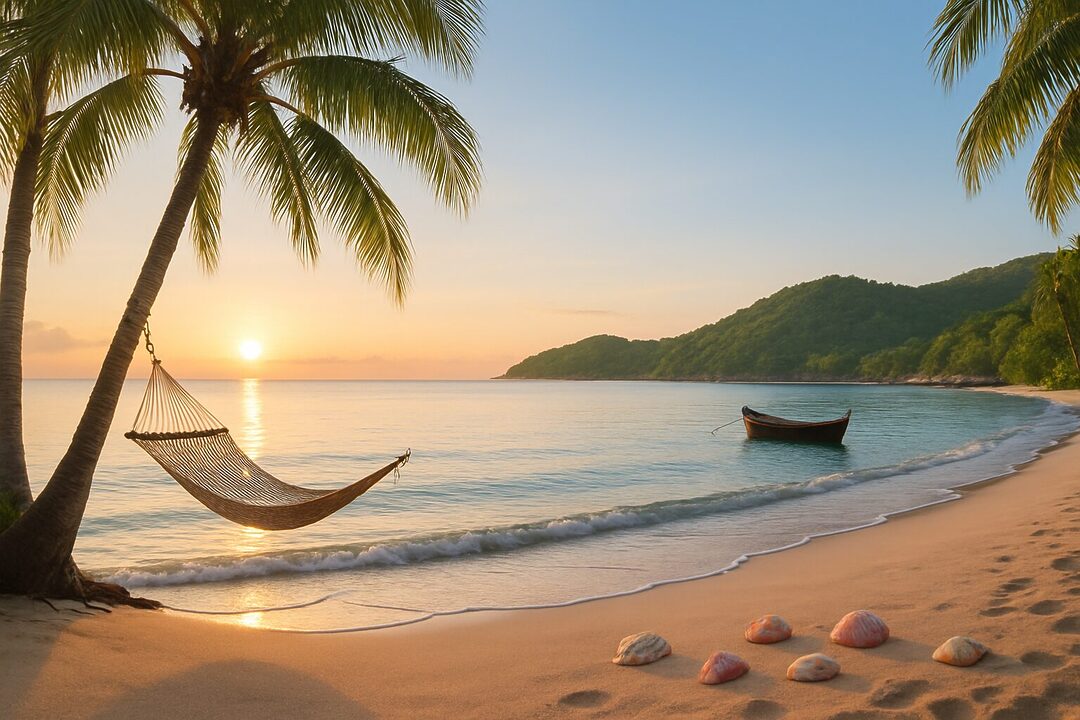
In an era dominated by relentless schedules and rapid transit between destinations, the paradigm of travel is undergoing a profound transformation. Slow travel emerges as a compelling alternative to the customary whirlwind tours, offering a return to a more intentional, immersive, and enriching way to explore the world. This approach challenges conventional travel expectations by championing mindful travel that emphasizes cultural immersion, sustainable tourism, and authentic local experiences. Rather than brushing past cities and landmarks, slow travel encourages lingering, savoring, and connecting at a human level, redefining the essence of journeying with a leisureliness that rewards the spirit as much as the senses.
With traditional tourism often driven by checklists and speed, incorporating the slow travel mindset offers a refreshing counterbalance. It allows travelers to truly appreciate the texture of each locale—its rhythms, stories, and communities—rather than merely observing them from a distance. This growing movement not only enhances personal experiences but also fosters responsible practices that benefit destinations and their inhabitants, shaping travel into an act of respect and sustainability. As global consciousness about environmental and social impacts deepens, slow travel stands at the forefront of evolving travel expectations, beckoning adventurers to venture with patience, curiosity, and heart.
Understanding Slow Travel: A New Travel Mindset for Deeper Connections
Slow travel goes beyond simply moving through destinations at a gentle pace; it embodies a distinctive travel mindset that places profound emphasis on intentional travel and meaningful engagement. Rather than treating a journey as a series of rapid check-ins at iconic landmarks, this philosophy encourages visitors to invest extended time within fewer locations, enabling a relaxed yet purposeful exploration.
At its core, slow travel promotes leisurely exploration steeped in cultural immersion. It is about savoring local experiences—such as dining at family-run eateries, attending artisan workshops, or exploring neighborhood markets—offering a window into the everyday lives and traditions of a community. For instance, choosing to stay in a homestay or boutique guesthouse rather than a large hotel chain often leads to authentic travel encounters that deepen one’s understanding of the place and its people.
This approach also naturally aligns with the principles of sustainable tourism, as it encourages fewer flights and more use of environmentally friendly transport modes like trains, bicycles, and walking. According to recent thought leaders on this topic, such as those discussed in the HuffPost’s analysis of slow travel, embracing this travel style not only reduces carbon footprint but creates richer, less stressful journeys that resonate long after returning home.
Importantly, slow travel requires cultivating patience and openness, stepping away from the urge to conquer destinations by quantity. This change in perspective redefines travel expectations by valuing depth over breadth and encourages a mindful awareness of surroundings. Travelers can delight in spontaneous neighborhood discoveries or conversations with locals, experiences often missed by conventional tourism frameworks.

Benefits of Slow Travel: Sustainable Tourism and Authentic Experiences
The advantages of slow travel extend well beyond the individual traveler, encompassing positive ecological, social, and economic outcomes that collectively contribute to the health of global tourism ecosystems.
Sustainable tourism is a cornerstone of this travel philosophy. By limiting the number of flights and prioritizing local transport options, slow travelers markedly decrease their environmental footprints. For example, opting for train journeys over airplane hops not only lessens carbon emissions but allows travelers to witness changing landscapes in a way planes cannot provide. This greener approach is increasingly important amid global climate challenges in 2026.
Moreover, supporting local economies through authentic travel choices empowers communities. Slow travelers frequently choose accommodations run by local families, purchase goods at markets, and eat at locally owned restaurants. Such decisions ensure that tourism revenue circulates within the community rather than leaking out to multinational chains.
Beyond environmental and economic dimensions, slow travel enriches cultural understanding. Extended stays give visitors the chance to learn about traditions, languages, and local customs firsthand—be it through participating in traditional cooking classes or joining community festivals. This fosters empathy and respect between visitors and hosts, breaking down cultural barriers.
Less stress and enhanced well-being form another key benefit of the slow travel approach. By avoiding packed itineraries, travelers can embrace a more spontaneous rhythm, allowing room for contemplation and genuine joy. This relaxed pace is known to reduce travel fatigue and enrich memories. As highlighted in insightful guides like The Art of Travelling Slow, such mindful journeys contribute to a more balanced holiday experience.
| Benefit | Description | Example |
|---|---|---|
| Sustainable Tourism | Reduces environmental impact via fewer flights and eco-friendly transport. | Using trains instead of planes between cities. |
| Economic Support | Boosts local businesses and retains tourism revenue within communities. | Staying at family-run guesthouses and shopping in local markets. |
| Cultural Immersion | Fosters deeper understanding through extended interaction and participation. | Joining language classes or cultural festivals. |
| Wellness and Relaxation | Reduces stress by avoiding tightly packed itineraries and embracing spontaneity. | Leisurely café visits and park strolls rather than rushed tours. |
As tourism continues to evolve, these benefits position slow travel as a compelling model for future explorers seeking meaningful and mindful travel experiences. More about these ideas and strategies can be discovered through resources such as The Travel Daily on slow travel’s future.
Practical Strategies for Embracing Slow Travel in 2026
Transitioning into slow travel requires deliberate planning and a shift in conventional travel habits. Here are essential strategies to integrate this mindful travel approach into upcoming adventures:
- Prolong Your Stay in Fewer Destinations
Allocate more days to one or two locations rather than hopping rapidly from city to city. This allows for deep engagement and reduces travel-related stress. - Use Local and Eco-friendly Transportation
Prefer modes like bicycles, trains, and walking tours. This not only lessens ecological impact but enriches travel experiences by revealing hidden gems along the way. - Choose Local Accommodations
Stay in family-run guesthouses, boutique hotels, or homestays rather than international hotel chains to ensure authentic local interactions and support community economies. - Leave Room for Spontaneity
Ditch rigid itineraries to allow for unexpected discoveries and organic connections with locals. - Engage with Local Culture
Participate in cooking classes, artisan workshops, or community festivals to deepen cultural understanding and enrich travel memories.
These tactics, outlined in detail at Serenity Trips’ beginner’s guide to slow travel, provide a practical roadmap for travelers eager to shift from rushed tours to immersive, intentional travel experiences.
A notable example comes from a traveler opting to spend three weeks in a small Italian village rather than two days in multiple cities. This allowed them to learn traditional pasta-making directly from locals and participate in seasonal harvest rituals—unforgettable stories born from a slow travel approach.

Slow Travel’s Influence on Modern Travel Expectations and Wellbeing
As tourist behaviors evolve, slow travel is reshaping global travel expectations, placing wellbeing and mindful journeys at the forefront. This shift supports a holistic travel mindset where the quality of experience surpasses mere quantity of locations visited.
The effects of slow travel on personal wellbeing are profound. Traveling at a deliberate pace reduces common stressors linked to packed itineraries, such as missed connections and exhaustion. Instead, it facilitates presence and gratitude during each moment, reinforcing mental clarity and relaxation. Health benefits include improved sleep patterns, lower anxiety, and a greater sense of joy during travel.
Furthermore, slow travel nurtures a compassionate relationship with the environments and communities visited. Choosing sustainable serenity trips that celebrate nature and culture, as recommended by platforms like Serenity Trips’ sustainable travel practices, helps travelers act as responsible custodians rather than mere spectators.
This evolving travel perspective also challenges tourism industries to accommodate demand for more authentic and enriching experiences. Destinations progressively offer tailored slow travel packages that emphasize community engagement, wellness activities, and local storytelling—transforming how vacations are conceptualized worldwide.
Ultimately, slow travel’s growing popularity signals a desire to reconnect with travel’s deeper significance. For many, this approach unlocks more than sightseeing; it fosters self-discovery and cultural appreciation, reshaping travel expectations for years to come.
Combining Slow Travel with Mindful Wellness and Nature Experiences
Slow travel’s emphasis on intentional travel seamlessly blends with wellness-focused tourism and nature engagement, creating journeys that nourish both body and soul. Integrating these elements heightens the transformative potential of travel beyond conventional sightseeing.
Wellness-centered slow travel encourages practices such as yoga retreats, meditation sessions, and spa experiences conducted in tranquil local settings. These activities enhance relaxation and self-awareness, fostering a balanced travel rhythm—in stark contrast to hurried adventures common in mass tourism. Resources like Serenity Trips on wellness and slow travel explore these synergies, underscoring their benefits for travelers looking to reconnect with inner peace through their journeys.
Similarly, embracing slow travel within natural environments—whether hiking in serene forests, kayaking along quiet rivers, or observing wildlife with patience—invites a profound connection to the earth. Such leisure exploration not only revitalizes the individual but also promotes conservation-minded tourism. Participating in local eco-projects or slow travel nature experiences can deepen this bond.
As an example, a traveler spending time in a Japanese onsen town may begin their day with mindful walks through bamboo groves, followed by immersing in communal bathing rituals, thereby experiencing cultural and natural authenticity in tandem. These immersive moments foster a sense of harmony often missing in fast-paced travels.
Slow travel thus offers an integrative framework where mindful travel, local experiences, and sustainable tourism converge, allowing adventurers to return from their voyages feeling rejuvenated and connected. This evolution supports a more conscious form of tourism that benefits both travelers and host communities alike.

As a 34-year-old Yoga Teacher, I am passionate about guiding others on their journey to mindfulness and well-being. With years of experience in various yoga styles, I create a welcoming environment that encourages personal growth and self-discovery. Join me in exploring the transformative power of yoga.